Software development is evolving at an unprecedented pace, and 2026 is emerging as a defining year for the industry. Rapid advancements in technology, smarter development tools, and changing developer roles are fundamentally transforming how software is designed, built, deployed, and scaled. The focus is no longer limited to writing functional code; instead, it is shifting toward creating systems that are intelligent, secure, scalable, and adaptable to real-world demands.
Technologies such as AI-powered coding, agentic workflows, cloud-native architectures, decentralized systems, and edge computing are redefining modern development practices. Alongside this, innovations like AR, IoT, and sustainable software engineering are pushing businesses to think beyond traditional applications and toward highly personalized, real-time digital experiences. Developers are increasingly supported by automation and AI, allowing them to focus more on problem-solving, system design, and strategic decision-making.Here are the most important software development industry trends to watch in 2026 and how businesses can prepare for them.
Key shifts driving this trend:
1. AI-Powered Software Development: From Assistants to Agents
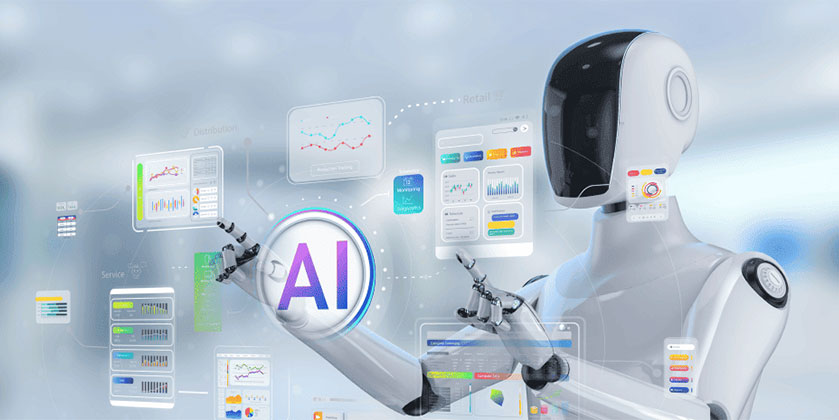
The biggest transformation isn’t just what software does — it’s how it’s built.AI tools have evolved far beyond basic code completion. In 2026, AI is becoming a true collaborative partner in development, capable of writing code, debugging, testing, and even managing workflows.
Agentic AI: AI agents can plan tasks, make decisions, debug issues, run tests, and deploy applications with minimal human input.
Multimodal Development: Developers can now combine code, text prompts, images, and UI mockups to generate applications. A design screenshot can instantly become functional UI code.
Tighter Design–Development Integration: Tools like Figma allow AI to access design layers directly, dramatically reducing the gap between prototype and production.
This results in lower costs, faster delivery, and lets developers focus on solving complex business problems instead of repetitive tasks.
What Are MERN Stack Development Services?
MERN Stack development services include end-to-end web application development using the MERN technology stack. These services cover everything from ideation and design to deployment and maintenance.
2. Hyper-Personalization with Generative AI
Generic software no longer meets user expectations. In 2026, hyper-personalized experiences are becoming standard.
Generative AI enables applications to dynamically create:
- Personalized content
- Tailored recommendations
- Adaptive user interfaces
- Custom support responses
Instead of showing static data, modern applications can generate unique experiences for every user in real time — increasing engagement, retention, and conversion.
3. Cloud-Native Development as the Foundation of Modern Software
Cloud-native development and microservices are now the gold standard for building scalable and resilient systems.
Major cloud-native trends in 2026:
Microservices + AI: AI models are deployed as independent services for flexible scaling.
Platform Engineering: Internal developer platforms simplify cloud complexity and speed up deployments.
WebAssembly (WASM): Lightweight, portable microservices running efficiently inside Kubernetes.
Edge-Native Architectures: Combining cloud and edge computing for low-latency applications.
As cloud costs rise, teams are also adopting FinOps strategies to optimize spending without sacrificing performance.
4. Low-Code / No-Code Development Goes Enterprise-Grade
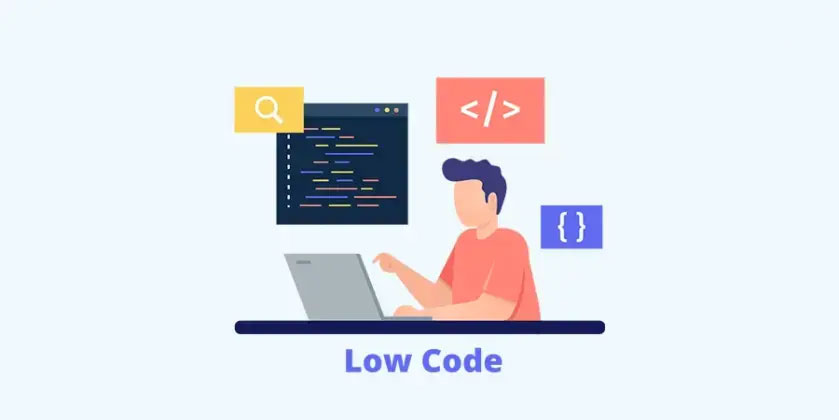
Low-code and no-code platforms are no longer just for prototypes. In 2026, they play a serious role in enterprise software development.
Why adoption is accelerating:
- Shortage of skilled developers
- Faster time-to-market
- Reduced IT backlog
- Increased business involvement
Key advancements include AI-enhanced logic generation, hyperautomation, and industry-specific templates. Professional developers now act as architects and governance leaders, ensuring scalability, security, and integrations.
5. DevSecOps: Security Built Into Every Stage
With rising cyber threats and faster release cycles, security can’t be an afterthought. DevSecOps integrates security into every stage of the SDLC.
Important DevSecOps trends:
- Security for DevOps and MLOps pipelines
- Runtime monitoring and anomaly detection
- Software supply chain protection
- Infrastructure as Code (IaC) and minimal container images
This approach ensures software is secure by design, not patched after deployment.
6. Cross-Platform Development with Modern Frameworks
Businesses want to reach users on web, iOS, and Android without maintaining multiple codebases.Frameworks like Flutter and React Native now deliver near-native performance from a single codebase, making cross-platform development more cost-effective and faster to maintain.
Modern web development trends continue to influence mobile frameworks, creating a unified development ecosystem.
7. Augmented Reality Becomes a Business Differentiator
Augmented Reality (AR) is no longer experimental. In 2026, it’s a strategic enterprise tool.
Key AR adoption areas:
- Manufacturing and logistics (remote assistance)
- Healthcare (surgical overlays and training)
- WebAR powered by 5G and edge computing
- Spatial computing combined with AI
AR is transforming how businesses interact with customers, employees, and physical environments.
8. Sustainable Software Engineering and Green Tech

Sustainability is becoming a core software design principle.
Green software engineering focuses on:
- Energy-efficient algorithms
- Reduced compute waste
- Carbon-aware cloud deployments
- Optimized infrastructure usage
Companies are prioritizing energy-first design and renewable-powered cloud regions to reduce environmental impact without sacrificing scalability.
9. IoT and Connected Intelligence at Scale
IoT is evolving from connected devices into intelligent autonomous systems.
IoT trends shaping 2026:
- AI-powered IoT (AIoT) for predictive maintenance
- Digital twins for real-time simulation
- Zero-trust IoT security
- 5G-powered edge processing
Custom software acts as the intelligence layer that connects, secures, and optimizes these systems.
The goal isn’t to chase every trend — it’s to adopt the ones that solve real business problems.Successful organizations in 2026 will:
In 2026, software development is no longer just about writing code. It’s about building intelligent, secure, scalable, and sustainable ecosystems.
From agentic AI and cloud-native platforms to AR, IoT, and green engineering, these trends represent a shift toward smarter and more resilient digital solutions.Businesses that adopt early and integrate wisely will stay ahead — not just technologically, but strategically.