In today’s rapidly evolving digital landscape, website security has become more important than ever. Protecting your website and the data of your visitors is no longer optional—it is a fundamental requirement. One of the most effective ways to enhance your website’s security and credibility is by enabling HTTPS (Hypertext Transfer Protocol Secure).
If your website is still running on HTTP, it may expose sensitive information to potential threats and reduce the level of trust users place in your site. HTTPS helps create a secure connection between the user’s browser and your website, ensuring that data is transmitted safely and privately.
By implementing HTTPS, you not only safeguard user information but also improve your website’s reliability, credibility, and overall user experience. In this article, we will explore several key reasons why enabling HTTPS is essential for every modern website.
What is HTTPS?
HTTPS (Hypertext Transfer Protocol Secure) is the secure version of HTTP, the protocol used to transfer data between a user’s browser and a website. HTTPS uses SSL/TLS encryption to protect the data being transmitted.
When a website uses HTTPS, the information exchanged—such as passwords, payment details, and personal data—is encrypted. This prevents hackers or malicious parties from intercepting or manipulating the data.
You can recognize HTTPS websites by the padlock icon in the browser address bar.
Protects User Data
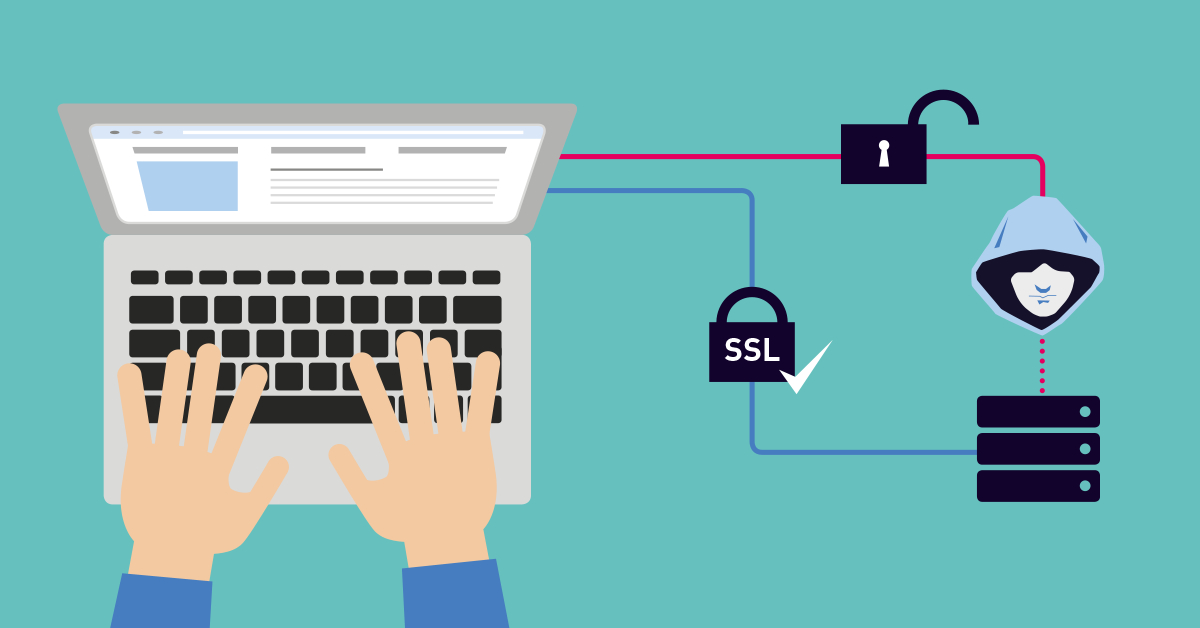
One of the most critical reasons to enable HTTPS is to protect sensitive user information. Without encryption, data sent between the user and the website can be intercepted by attackers.
HTTPS ensures that information such as:
- Login credentials
- Credit card details
- Contact form submissions
- Personal user information
remains private and secure. This protection is especially important for eCommerce websites, membership platforms, and any site that collects user data.
Builds Trust and Credibility
Visitors are more likely to trust websites that display the secure padlock symbol in the browser. Modern browsers like Chrome and Firefox actively warn users when they visit websites that are not secure.
If users see a “Not Secure” warning on your website, they may immediately leave, assuming the site is unsafe. HTTPS reassures visitors that their information is protected and that the website is trustworthy.
Improves Search Engine Rankings
Search engines favor secure websites. For example, Google uses HTTPS as a ranking signal when determining search results.
Although it may not be the largest ranking factor, having HTTPS can still give your website an advantage over competitors that do not use it. Secure websites are more likely to rank higher and attract more organic traffic.
Protects Your Website From Cyber Attacks
HTTPS helps defend your website against various cyber threats, including:
- Man-in-the-middle attacks
- Data tampering
- Session hijacking
By encrypting the communication channel, HTTPS ensures that attackers cannot modify or inject malicious content into your website’s data transmission.
Required for Modern Web Features
Many modern browser features only work on HTTPS-enabled websites. These include:
- Geolocation services
- Push notifications
- Progressive Web Apps (PWAs)
- Secure cookies
- Some JavaScript APIs
If your website does not use HTTPS, you may be unable to implement these technologies.
Essential for eCommerce Websites
For websites that process online payments, HTTPS is mandatory. Payment gateways, security standards such as PCI-DSS, and modern browsers require encryption to protect financial data.
Without HTTPS, customers may hesitate to make purchases, which can significantly affect your conversion rates and revenue.
Improves Website Performance
Modern HTTPS implementations often use HTTP/2, which improves website speed and performance. Faster loading pages enhance user experience and reduce bounce rates.
With the right hosting and configuration, HTTPS websites can be just as fast—or even faster—than HTTP websites.
Conclusion:
Enabling HTTPS is one of the simplest yet most powerful ways to improve your website’s security, credibility, and performance. It protects user data, builds visitor trust, helps with SEO rankings, and enables modern web features.
In today’s internet landscape, running a website without HTTPS is a significant risk. By switching to HTTPS, you demonstrate a commitment to security and provide a safer browsing experience for your visitors.